How to Choose the Right Paint Colors for Small Rooms
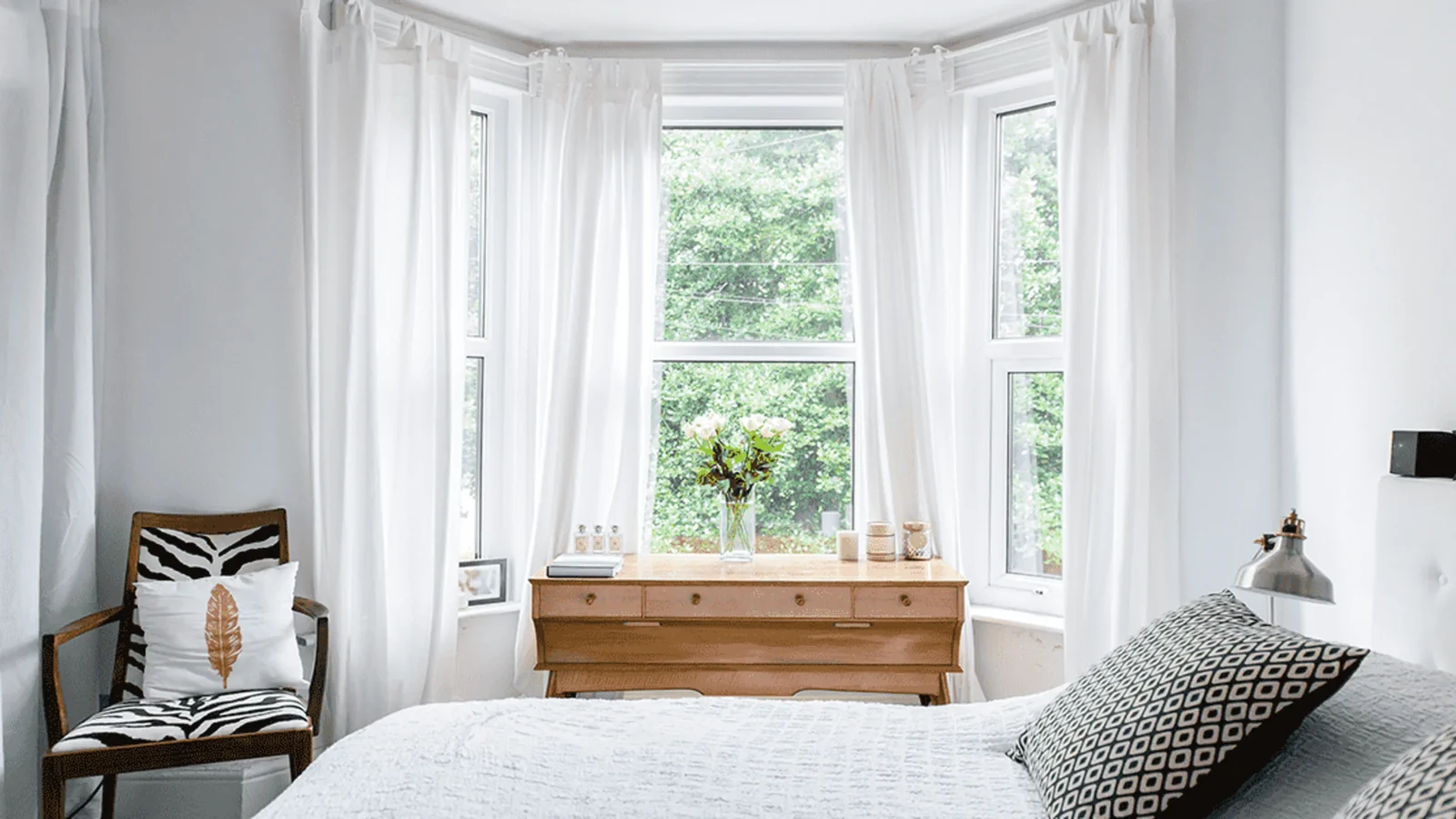
Small rooms get a bad reputation, but honestly, most of the time it’s the paint colour making them feel cramped, not the actual square footage. I’ve seen a genuinely tiny bedroom feel almost spacious just from a smart colour change — no furniture moved, nothing structural.
Picking the right paint colors for small rooms is less about following strict rules and more about understanding a few things light and colour actually do in a confined space.
Does Paint Color Really Change How Big a Room Feels?
Quick answer: Yes — lighter, cooler paint colors reflect more light and visually push walls outward, making small rooms feel noticeably more spacious, while dark, warm tones tend to make walls feel closer and the room smaller.
1. Light Neutrals Are the Safe, Effective Choice
Soft whites, warm greys, and light beige tones reflect natural light well and don’t visually shrink a room. They’re not the most exciting choice, but they’re reliably effective for small spaces.
2. Don’t Be Afraid of Cool Tones
Light blues and soft sage greens have a genuinely spacious, airy quality in small rooms — often more so than plain white, which can sometimes feel a bit sterile or flat depending on lighting.
3. Monochromatic Schemes Trick the Eye
Painting walls, trim, and even ceiling in slightly varying shades of the same colour family removes the visual “stopping points” that make a room feel boxed in, creating a smoother, more expansive feel.
Quick answer: A monochromatic paint scheme — walls, trim, and ceiling in closely related shades — eliminates visual breaks between surfaces, making small rooms feel more continuous and spacious than high-contrast colour combinations.
4. Consider the Room’s Natural Light
A north-facing room with limited natural light handles warmer light tones better, since it needs the visual warmth. A well-lit south-facing room has more flexibility to go cooler or even slightly darker without feeling gloomy.
5. Accent Walls — Yes or No for Small Rooms?
This is genuinely debatable, and I’ll admit I have mixed feelings. A single accent wall in a deeper tone can add character without overwhelming a small space, but two or more accent walls in a tiny room usually backfires and feels chaotic.
6. Ceiling Color Matters More Than People Think
Painting the ceiling the same colour as the walls, or even a shade lighter, removes the visual “lid” effect that a stark white ceiling against coloured walls can sometimes create in small rooms.
7. Glossy vs Matte Finish
Semi-gloss finishes reflect more light than matte, which can help a small room feel brighter — though they also show wall imperfections more clearly, so surface prep matters more with this choice.
Colours That Tend to Work Well
- Soft sage green
- Warm greige (grey-beige blend)
- Pale sky blue
- Soft blush or dusty pink for bedrooms specifically
Colours to Approach Carefully
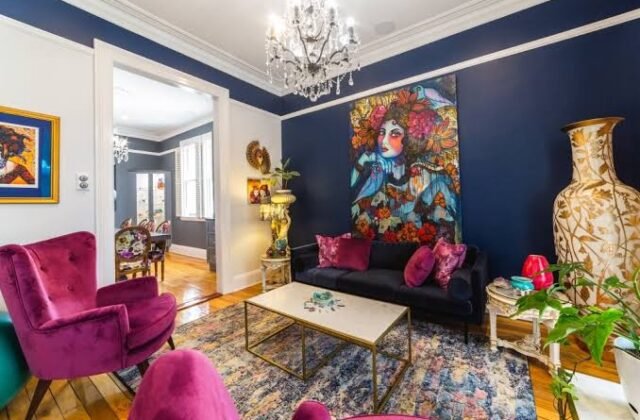
- Very dark navy or charcoal — striking but genuinely shrinks perceived space significantly
- Bright, saturated colours across all walls — visually overwhelming in confined spaces
- Stark, cool white without warmth — can feel clinical rather than cozy
Testing Before Committing
Always test a colour on the actual wall in your room’s specific lighting before committing to a full repaint. Paint samples look noticeably different under artificial light versus natural daylight, and small rooms amplify this difference.
FAQs
Q: What’s the best paint color for a small bedroom? Soft, warm neutrals or pale blues generally work well, creating a calm, spacious feel without being visually stark.
Q: Should small rooms always be painted white? Not necessarily — light, cool tones like sage or soft blue can feel just as spacious while adding more personality than plain white.
Q: Does a dark accent wall shrink a small room? It can, though a single accent wall in an otherwise light room usually adds depth without significant negative impact on perceived space.
Q: Should the ceiling be a different color than the walls in a small room? Matching or closely related ceiling and wall colours generally make a small room feel taller and more open than a contrasting white ceiling.
Q: Does paint finish (matte vs glossy) affect how big a room feels? Yes — semi-gloss finishes reflect more light and can make a small room feel slightly brighter and more open.
Conclusion
Choosing the right paint colors for small rooms comes down to understanding light, contrast, and a bit of trial and error with actual samples on your wall. Light neutrals and cool tones are reliable starting points, but don’t be afraid to test something with a bit more character — a well-chosen colour can genuinely transform how spacious a small room feels. [link to related guide on interior painting mistakes here]
Alt text suggestions:
- “Small bedroom painted in soft sage green making space feel larger”
- “Monochromatic paint scheme with matching wall and ceiling color”
- “Paint color samples being tested on a small room wall”