Getting Better Water at Home Starts With Understanding Your Options

Water is part of almost everything we do at home. We use it before the day has properly started, when making coffee or filling the kettle, and again late in the evening when the dishes are stacked beside the sink. Most of the time, we don’t give it much thought. Then the shower screen develops a stubborn white film, soap seems to disappear without much lather, or the water from the kitchen tap tastes different than expected.
It’s easy to assume that one filter will solve everything. In reality, water issues can have very different causes, and choosing the right treatment depends on understanding what’s happening in your home. A little investigation can save you from spending money on equipment that doesn’t address the problem.
Start With the Signs Around Your Home
The first clues are often hiding in plain sight. White deposits around faucets and showerheads may be associated with hard water, which contains elevated levels of calcium and magnesium. Reddish stains can sometimes indicate iron, while sediment may make water look cloudy. An unusual smell or taste can have several explanations, including characteristics of the water source or plumbing.
These observations are useful, but they’re not a reliable substitute for testing. Clear water can still contain substances that aren’t visible, and an unpleasant taste doesn’t automatically mean the water is unsafe. If you notice a sudden change in color, odor, or taste, investigate it rather than assuming the cause.
Testing helps you move beyond guesswork. Depending on the water source and the concerns involved, an analysis may examine hardness, pH, iron, dissolved solids, bacteria, or specific contaminants. The appropriate tests vary, particularly between municipal supplies and private wells.
When Hard Water Makes Everyday Tasks More Difficult
Hard water is a common household nuisance. Mineral deposits collect on glass, leave marks on bathroom fixtures, and can build up inside water heaters and appliances. You might find yourself scrubbing the same shower door every few days, wondering why it never looks completely clean. It’s a small annoyance, but it gets old quickly.
In these situations, water softeners may be worth considering. Conventional ion-exchange softeners reduce calcium and magnesium by exchanging hardness minerals for other ions, commonly sodium. This can help limit scale formation and may improve the way soap works during bathing, laundry, and cleaning.
Still, softening has a specific purpose. A softener isn’t a complete drinking-water purification system and shouldn’t be expected to remove every contaminant. If testing identifies another concern, a separate treatment method may be needed.
Sizing also matters. A unit should match the home’s water hardness and typical usage. A system that’s too small may regenerate more often than necessary, while an oversized model may cost more without offering a useful advantage. Ask about salt requirements, regeneration, maintenance, and the expected operating cost before making a commitment.
Combining Treatment Technologies
Sometimes a household has more than one water concern. Hardness might be causing scale, while the drinking water also has an unpleasant chlorine taste. In other cases, sediment may need to be removed before water passes through another treatment stage. That’s where combo units can be useful.
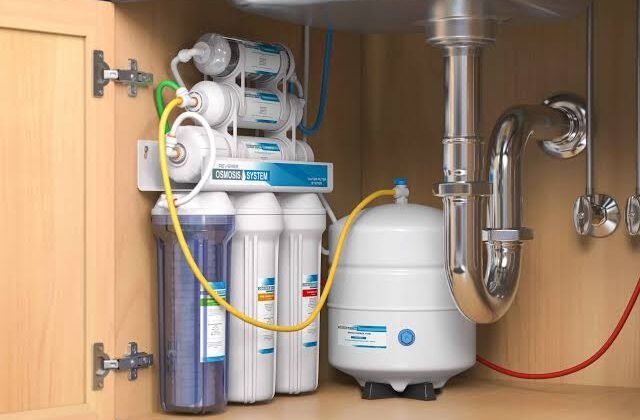
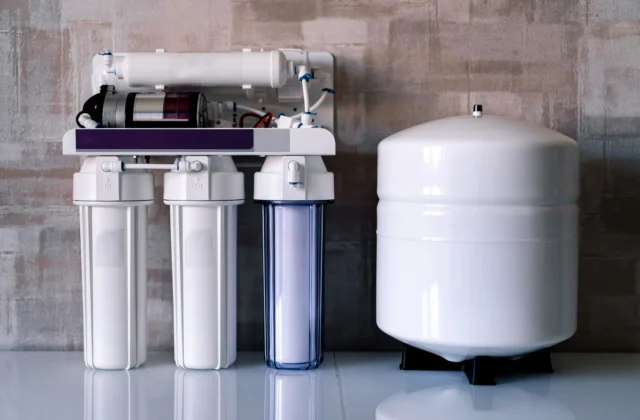
Depending on the model, a combination system may bring together a softener, sediment filter, carbon filtration, or another treatment technology. The convenience is appealing: instead of arranging several separate pieces of equipment, homeowners may be able to use a coordinated setup designed to address multiple needs.
But combination equipment isn’t automatically the best choice. Each component should serve a clear purpose, and the system’s documented performance should match the water test results. A product that claims to solve several unrelated issues deserves careful scrutiny. Check which substances each stage is designed to reduce and whether those claims are independently verified.
Installation space, water flow, and maintenance access should also be considered. A combination system can simplify the arrangement, but it may still require regular filter changes, salt replenishment, or professional servicing. Before buying, make sure you understand how the individual components work together and what happens when one part needs attention.
Use Local Water Information as a Starting Point
If your home receives water from a municipal supplier, there may already be useful information available about the source and its general characteristics. Many water utilities publish reports describing their routine monitoring results, including selected contaminants and compliance information.
A free water quality report from your local supplier can help you understand the water delivered to your area. It may provide information about the source, treatment processes, and measured substances. Reading it can give you a useful starting point before deciding whether additional testing or household treatment is appropriate.
There is one important limitation, though. A municipal report generally describes the public supply, not necessarily the condition of water inside your individual home’s plumbing. Older pipes, fixtures, or a private storage tank can introduce separate concerns. If you’re experiencing a specific problem at the tap, additional testing may be worthwhile.
Private well owners need a different approach because their water isn’t typically covered by the same routine municipal monitoring. Testing should be selected according to local conditions and possible risks, with guidance from an appropriate professional or local health authority.
Think About Maintenance Before Installation
Buying the system is only the beginning. Filters have a limited service life, softeners require routine attention, and some technologies need periodic sanitation or performance checks. When maintenance is neglected, the equipment may become less effective, even if everything looks fine from the outside.
Ask the installer to explain the schedule in plain language. Which tasks can you handle yourself? How often will cartridges need replacing? Are replacement parts easy to obtain? What will routine servicing cost? These questions might seem minor during the sales process, but they’ll matter months or years later.
Keep a record of installation dates, filter changes, service visits, and test results. It’s a simple habit that makes maintenance easier to manage and helps you spot changes over time.
Choose a Solution That Makes Sense for Your Household
The most suitable water treatment setup isn’t necessarily the largest, newest, or most expensive one. It’s the system that addresses your actual water concerns and fits your household’s daily routine.
Begin with reliable testing, review the available water-quality information, and compare equipment based on verified performance. Consider installation costs, operating requirements, and long-term maintenance rather than focusing only on the advertised price.
Better water doesn’t have to involve a complicated project. With a little patience and the right information, you can choose a practical solution that reduces everyday frustrations and helps you feel more confident about the water flowing through your home.