Modern Home Design Trends for 2026
Design trends move fast, and honestly, not all of them are worth chasing. But a few genuinely useful shifts are showing up across homes this year — not just aesthetic fads, but changes that reflect how people actually want to live now.
Here’s an honest look at the modern home design trends that seem to have real staying power in 2026, not just Instagram appeal.
What’s Actually Driving 2026 Design Trends?
Quick answer: Modern home design trends in 2026 are largely driven by a shift toward functional, multi-purpose spaces and natural materials, reflecting continued hybrid work patterns and a growing preference for sustainable, low-maintenance choices over purely decorative trends.
1. Warm Minimalism Over Stark Minimalism
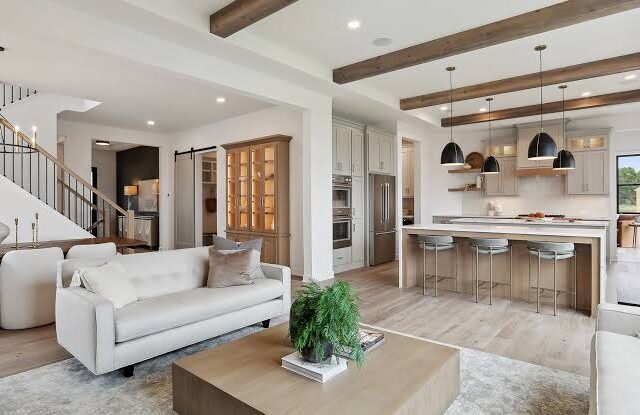
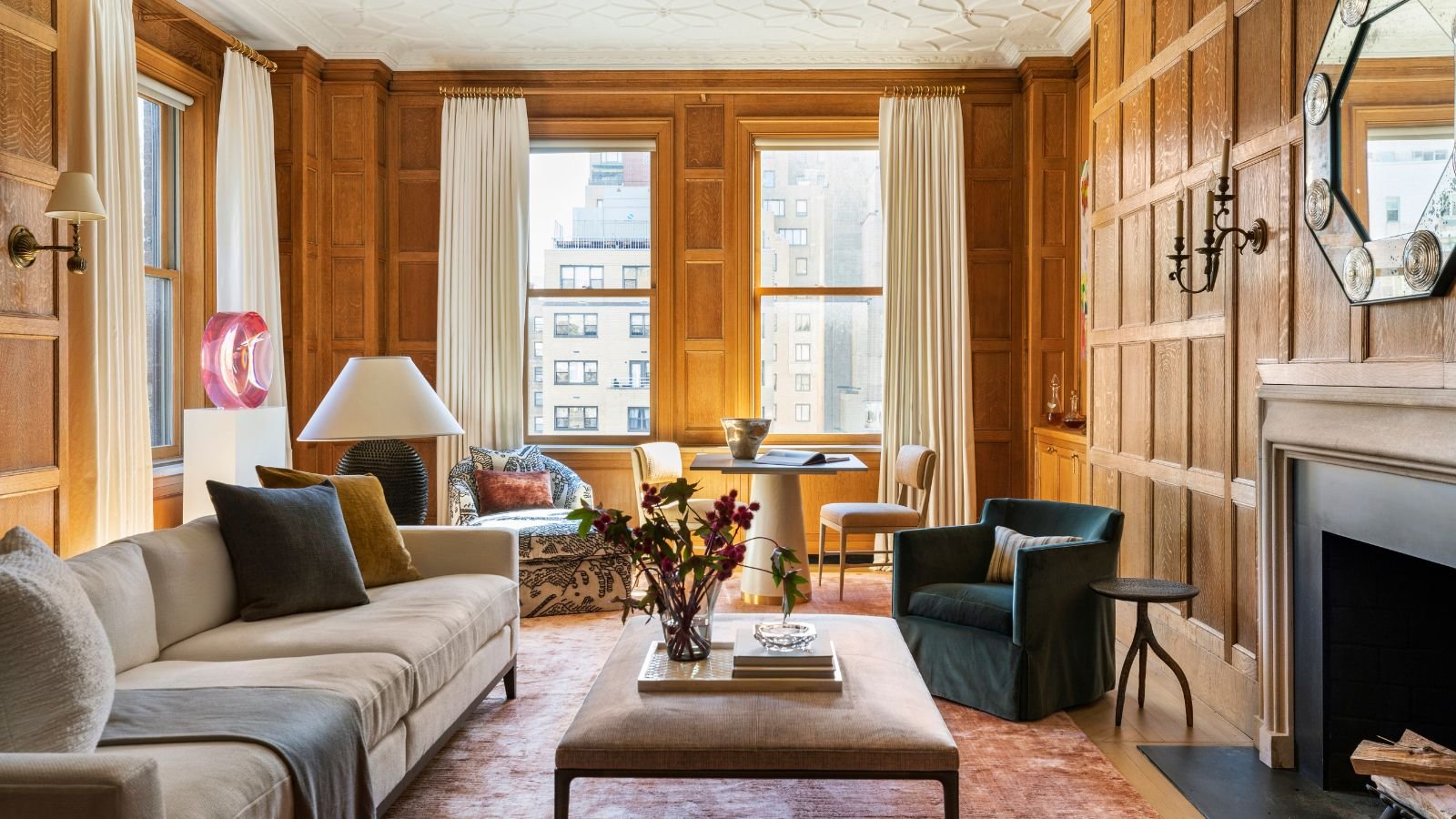
Pure white, stark minimalist interiors are softening into what’s being called “warm minimalism” — the same clean-lined approach, but with wood tones, warmer neutrals, and textured fabrics replacing the coldness of earlier minimalist trends.
2. Multi-Functional Rooms
With hybrid work continuing to shape home life, rooms that serve double duty — a guest room that’s also a home office, a dining area that converts to workspace — are increasingly common in both new builds and renovations.
3. Natural and Textured Materials
Rattan, exposed wood grain, and natural stone finishes are replacing some of the sleek, glossy surfaces that dominated the last several years. There’s a genuine shift toward materials that show some texture and imperfection.
Quick answer: Natural materials like rattan, wood, and textured stone are trending in 2026 partly because they age visibly better than glossy synthetic finishes, which show wear more obviously over time.
4. Curved Furniture and Architectural Lines
Sharp, angular furniture is giving way to softer, curved silhouettes — rounded sofas, arched doorways, curved kitchen islands. It’s a noticeable shift from the very geometric look that dominated recent years.
5. Biophilic Design Elements
Bringing nature indoors more deliberately — larger windows, indoor plant walls, natural light optimisation — continues gaining traction as people prioritise wellbeing-focused design over purely aesthetic choices.
6. Statement Ceilings
Ceilings are getting more design attention than they have in years — exposed beams, textured paint, even bold colour, treating the “fifth wall” as an intentional design element rather than an afterthought.
7. Sustainable and Low-Maintenance Choices
Homeowners are increasingly prioritising materials and finishes that require less upkeep and have a smaller environmental footprint — reflected in growing interest in engineered materials, water-efficient fixtures, and durable natural finishes.
8. Bold Kitchen Cabinetry Colors
Plain white kitchens are giving some ground to deeper, richer cabinet colours — sage green, navy, terracotta — paired with lighter countertops for contrast, rather than the all-white kitchen that dominated for years.
Trends That Seem to Be Fading
- All-white, stark minimalist interiors without warmth
- Overly glossy, high-shine surfaces throughout a home
- Purely geometric, sharp-angled furniture without softer elements
Applying These Trends Without Overspending
You don’t need a full renovation to incorporate current design trends. Swapping cabinet hardware, adding textured throws and rugs, or repainting a statement ceiling can bring a home noticeably up to date without a major budget commitment.
FAQs
Q: What is warm minimalism and how is it different from regular minimalism? Warm minimalism keeps minimalist principles of restraint and clean lines but incorporates warmer tones and natural textures instead of stark white and cold surfaces.
Q: Are multi-functional rooms a lasting design trend or temporary? Given continued hybrid work patterns, multi-functional spaces appear to have genuine staying power rather than being a passing trend.
Q: What kitchen cabinet colors are trending in 2026? Deeper, richer tones like sage green, navy, and terracotta are gaining popularity over the traditional all-white kitchen look.
Q: Is biophilic design just about adding more plants? It includes plants but also encompasses natural light optimisation, natural materials, and design that generally connects indoor spaces with nature.
Q: Do I need to renovate fully to update my home with current design trends? No, smaller changes like hardware, textiles, and paint can meaningfully update a home’s look without a full renovation.
Conclusion
The strongest modern home design trends in 2026 point toward warmth, function, and natural materials over purely decorative statements. Whether you’re renovating fully or just refreshing a few elements, focusing on textures, multi-purpose spaces, and softer lines will keep your home feeling current without chasing every passing trend. [link to related guide on open concept floor plan design here]
Alt text suggestions:
- “Warm minimalist living room with natural wood tones and textured fabric”
- “Curved sofa and rounded furniture in a modern living space”
- “Statement textured ceiling design in a contemporary home”