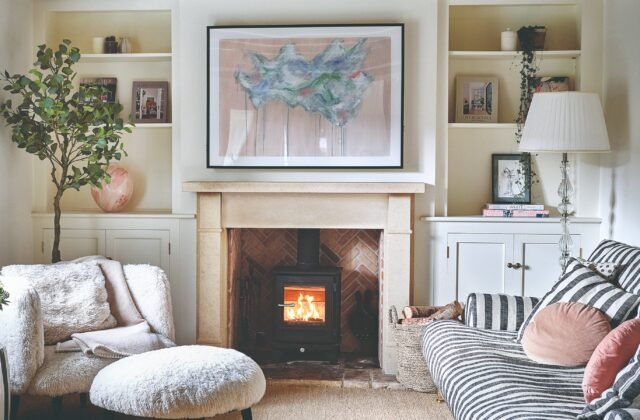
How to Style a Minimalist Living Room
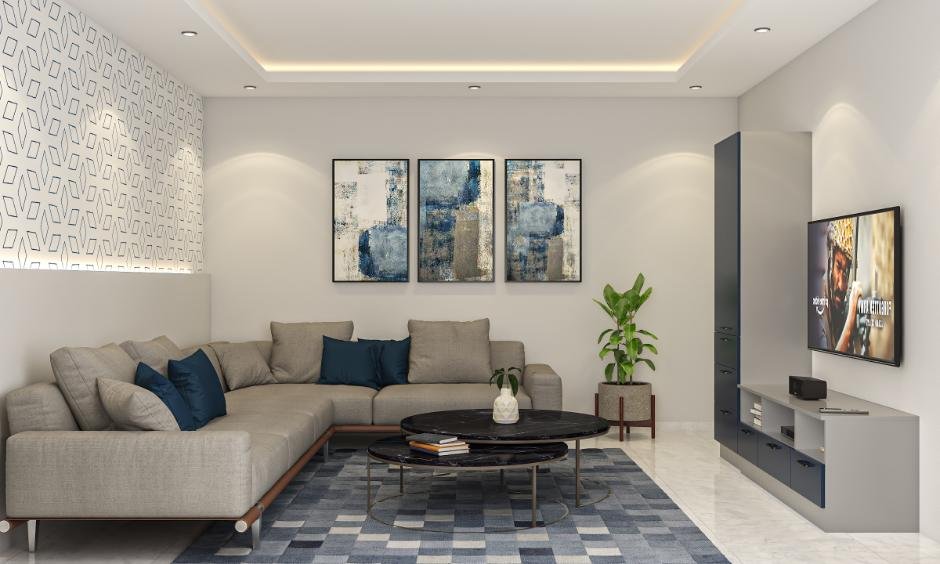
Minimalism gets misunderstood a lot. People assume it just means an empty room with one white sofa, but genuinely good minimalist design is about intention, not deprivation. Every piece in the room earns its place rather than just filling space.
Learning to style minimalist living room ideas properly takes a bit of restraint, honestly — the hardest part is usually deciding what to leave out, not what to add.
What Actually Defines a Minimalist Living Room?
Quick answer: A minimalist living room is defined by a limited, cohesive color palette, purposeful furniture with no excess, and visible negative space — not simply having fewer items, but ensuring every item present serves a clear function or purpose.
1. Start With a Restrained Color Palette
Stick to two or three colours maximum across the entire room — typically a neutral base (white, beige, warm grey) with one or two accent tones. This restraint is what gives minimalist spaces their calm, cohesive feel.
2. Choose Furniture With Clean Lines
Avoid overly ornate or heavily carved furniture pieces. Simple, clean-lined sofas and tables let the room breathe visually, rather than competing for attention.
3. Embrace Negative Space Intentionally
Quick answer: Leaving deliberate empty space around furniture — rather than filling every corner — is core to minimalist design, since it creates visual breathing room that makes the entire room feel calmer and more spacious.
This feels counterintuitive at first, especially if you’re used to filling rooms fully. But empty space, used well, is doing real design work.
4. Limit Decor to a Few Meaningful Pieces
Rather than scattering multiple small decor items, choose one or two larger, meaningful pieces — a well-chosen piece of art, a single striking vase — that genuinely deserve attention rather than competing with clutter.
5. Hidden Storage Is Essential
Minimalist rooms only look effortless because clutter is stored out of sight. Invest in furniture with built-in storage — ottomans, media consoles with closed cabinets — to keep everyday items tucked away.
6. Texture Adds Warmth Without Clutter
Since colour is limited, texture becomes an important tool — a wool throw, a textured rug, natural wood grain — these add visual interest and warmth without breaking the minimalist colour discipline.
7. Lighting Should Be Simple but Intentional
Avoid multiple competing light sources. One or two well-placed fixtures — a floor lamp with clean lines, simple pendant lighting — support the room’s calm aesthetic better than scattered decorative lighting.
8. Curate, Don’t Eliminate, Personal Items
Quick answer: Minimalist living rooms don’t require removing all personal items — displaying a carefully chosen few, rather than many scattered mementos, keeps the space feeling personal while maintaining the intentional, uncluttered aesthetic.
A Simple Minimalist Styling Checklist
- Choose a two-to-three colour palette and stick to it strictly
- Select furniture with clean, simple lines
- Leave visible negative space around key pieces
- Store everyday clutter in closed storage furniture
- Add texture through fabric and natural materials, not extra objects
Common Mistakes When Attempting Minimalism
- Making the room feel cold or empty rather than calm — usually from skipping texture entirely
- Over-restricting furniture to the point of impracticality
- Choosing trendy “minimalist” decor items that actually clutter the space
FAQs
Q: Does minimalist decorating mean having very little furniture? Not necessarily — it means having only furniture that serves a clear purpose, arranged with intentional space around it.
Q: How do I make a minimalist living room feel warm, not cold? Incorporate natural textures like wood, wool, and linen, and warm lighting, rather than relying purely on stark white or grey tones.
Q: What colors work best for a minimalist living room? Neutral bases like white, beige, or warm grey with one or two accent colours generally work best for a cohesive minimalist look.
Q: Can I display personal items in a minimalist living room? Yes, curated display of a few meaningful items keeps the space personal without disrupting the clean, intentional aesthetic.
Q: Is minimalist styling more affordable than traditional decorating? Often yes, since it prioritises fewer, better-quality pieces over accumulating many decorative items over time.
Conclusion
Styling minimalist living room ideas well is about intention, not emptiness. Choose a restrained palette, clean-lined furniture, and let negative space do some of the visual work. Add texture and a few meaningful personal pieces, and the result feels calm and put-together rather than sparse or unfinished. [link to related guide on budget home decorating ideas here]
Alt text suggestions:
- “Minimalist living room with neutral palette and clean-lined furniture”
- “Textured throw and rug adding warmth to minimalist decor”
- “Curated single art piece in a minimalist styled living space”