Vinyl vs Laminate Flooring: Full Comparison
Standing in a flooring showroom staring at sample after sample, most people can barely tell the difference between vinyl and laminate at a glance. But once you actually live on either for a few years, the differences become pretty obvious.
This vinyl vs laminate flooring comparison breaks down what genuinely matters when you’re deciding between the two for your home in 2026.
The Core Difference Between Vinyl and Laminate
Quick answer: Vinyl flooring is fully synthetic and water-resistant throughout, while laminate flooring has a fiberboard core that swells if exposed to standing water — making vinyl the better choice for kitchens, bathrooms, and homes with kids or pets.
1. Water Resistance
This is genuinely the biggest deciding factor for most Indian homes. Vinyl handles spills, humidity, and even standing water reasonably well. Laminate’s core material swells and warps if moisture seeps in, making it a poor choice for bathrooms or flood-prone areas.
2. Cost Comparison
- Vinyl: ₹80-₹200 per sq ft for good quality LVT
- Laminate: ₹60-₹150 per sq ft depending on thickness and finish
Laminate is often slightly cheaper upfront, though this gap has narrowed in 2026 as vinyl manufacturing has become more efficient.
3. Durability and Lifespan
Quick answer: Vinyl flooring typically lasts 15-25 years with proper care, while laminate flooring generally lasts 15-20 years but is more vulnerable to moisture-related damage that can shorten this significantly in humid climates.
4. Comfort Underfoot
Vinyl tends to feel slightly softer and warmer underfoot, especially cushioned vinyl varieties, compared to laminate’s harder, sometimes colder feel — a genuine consideration for homes with young children who spend time on the floor.
5. Installation Differences
Both are relatively DIY-friendly with click-lock installation systems, though vinyl planks are generally a bit more forgiving of subfloor imperfections than laminate.
6. Appearance and Design Options
Laminate has traditionally offered more realistic wood-grain texture and appearance, though vinyl has closed this gap significantly with modern printing and texturing technology available in 2026.
7. Sound and Noise
Laminate tends to sound slightly hollow underfoot unless installed with proper underlayment. Vinyl, particularly thicker LVT, generally absorbs sound better and feels more solid when walked on.
8. Suitability by Room
- Kitchen and bathroom — vinyl is the clear winner due to water resistance
- Bedrooms — either works well, laminate slightly cheaper
- Living room — both suitable, choose based on budget and aesthetic preference
- Basements or ground floors prone to dampness — vinyl strongly recommended
Quick answer: For kitchens and bathrooms specifically, vinyl flooring is strongly recommended over laminate due to its full water resistance, while laminate remains a reasonable, budget-friendly choice for drier areas like bedrooms.
Environmental Considerations
Neither option is particularly eco-friendly compared to natural materials, though some vinyl and laminate manufacturers now offer recycled-content options worth asking about if sustainability matters to your decision.
Making the Final Decision
If your home deals with humidity, has kids or pets, or you’re flooring a kitchen or bathroom — vinyl is generally the smarter long-term investment despite the slightly higher upfront cost. If budget is tight and you’re flooring dry areas like bedrooms, laminate remains a solid, cost-effective choice.
FAQs
Q: Which is more water-resistant, vinyl or laminate flooring? Vinyl, by a significant margin — it’s suitable for bathrooms and kitchens, while laminate should generally be avoided in consistently wet areas.
Q: Is laminate flooring cheaper than vinyl? Slightly, on average, though the price gap has narrowed considerably with modern manufacturing improvements.
Q: Which lasts longer, vinyl or laminate flooring? Vinyl typically has a longer practical lifespan, especially in humid conditions, due to its superior water resistance.
Q: Can I install vinyl or laminate flooring myself? Yes, both offer click-lock installation systems suitable for DIY installation, though vinyl is slightly more forgiving of subfloor imperfections.
Q: Which flooring feels warmer underfoot, vinyl or laminate? Vinyl generally feels warmer and softer, particularly cushioned varieties, compared to laminate’s harder surface.
Conclusion
Choosing between vinyl vs laminate flooring really comes down to where you’re installing it and your budget priorities. For moisture-prone areas and homes with kids or pets, vinyl’s water resistance makes it worth the slightly higher cost. For dry areas on a tighter budget, laminate remains a genuinely solid choice. [link to related guide on best flooring for pet owners here]
Alt text suggestions:
- “Vinyl plank flooring installation in a modern kitchen”
- “Laminate flooring with realistic wood-grain texture in bedroom”
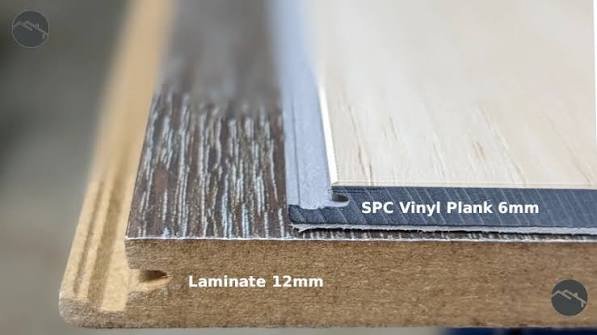
- “Close-up comparison of vinyl and laminate flooring samples”