How to Prevent Frozen Pipes in Winter
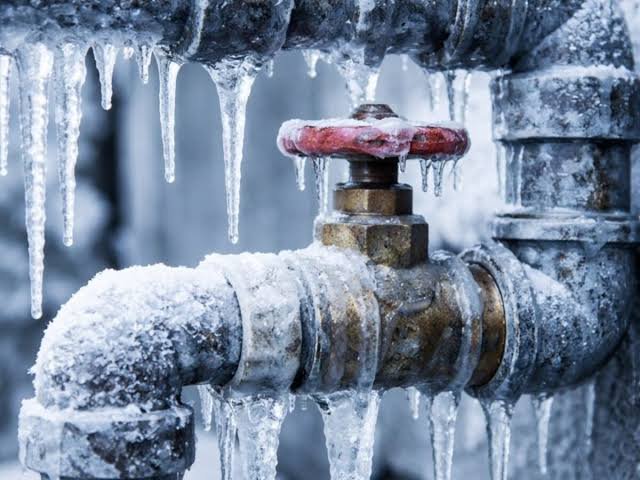
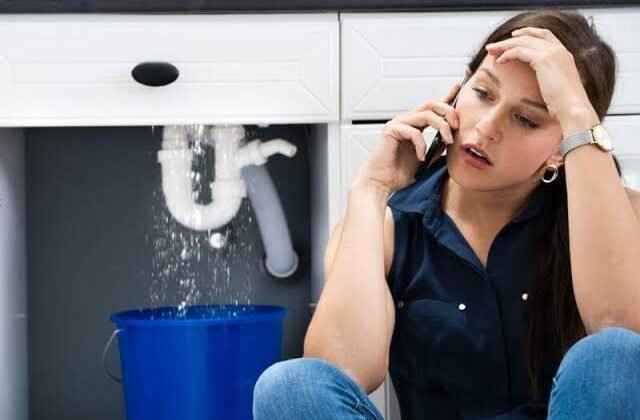
Frozen pipes might sound like a problem for colder countries, but honestly, homes in northern India and hill regions deal with this every single winter. And when a pipe bursts from freezing, the water damage cleanup costs far more than any prevention measure would have.
Learning how to prevent frozen pipes properly isn’t complicated, but it does require a bit of planning before the cold actually sets in — not after you’re already dealing with a burst pipe at 2 AM.
Why Do Pipes Freeze and Burst?
Quick answer: Pipes freeze when water inside them drops below freezing point and expands, and they burst not from the ice itself but from pressure buildup between the ice blockage and a closed faucet — this is why leaving a tap slightly open helps relieve that pressure.
1. Insulate Exposed Pipes
Any pipe running through an unheated space — attics, garages, exterior walls — needs insulation before winter hits. Foam pipe insulation sleeves are cheap, typically ₹30-₹60 per metre, and take an afternoon to install properly.
2. Know Which Pipes Are Most at Risk
- Pipes along exterior walls with poor insulation
- Outdoor taps and hose connections
- Pipes in unheated basements or storage areas
- Any pipe that’s frozen before in a previous winter
If a pipe has frozen once, it’s genuinely more likely to freeze again unless you address the underlying insulation gap.
3. Let Faucets Drip During Extreme Cold
Quick answer: Letting a faucet drip slightly during extreme cold relieves pressure buildup inside the pipe, significantly reducing the chance of a burst even if the water inside partially freezes.
I know it feels wasteful to let water run, but a slow drip uses far less water than the cleanup and repair from a burst pipe would cost you.
4. Seal Gaps and Cracks Near Pipes
Cold air sneaking through small gaps around pipe entry points — where pipes pass through exterior walls, for instance — significantly increases freezing risk. Simple caulk or expanding foam seals these gaps effectively.
5. Keep Cabinet Doors Open
For pipes running under kitchen or bathroom sinks along exterior walls, keeping cabinet doors open during particularly cold nights lets warm room air circulate around the pipes.
6. Maintain Consistent Indoor Heating
Don’t drastically lower your heating at night during extreme cold spells, even if you’re trying to save on energy costs. A consistent, moderate indoor temperature does more to prevent frozen pipes than intermittent extreme temperature swings.
What to Do If a Pipe Has Already Frozen
- Keep the faucet open — this relieves pressure as the ice thaws
- Apply gentle heat to the frozen section using a hairdryer on low setting or warm towels
- Never use an open flame to thaw a pipe — this is a genuine fire risk
- If you can’t locate the frozen section, call a plumber rather than guessing
Signs a Pipe Might Be Frozen
- No water coming from a specific tap while others work fine
- Frost visible on an exposed section of pipe
- Unusual smell when you turn on a faucet, sometimes caused by trapped air pushing through
Preparing Before Winter Arrives Each Year
- Disconnect and drain outdoor hoses before the first cold snap
- Check pipe insulation annually, since it degrades over a few years
- Locate your main water shut-off valve now, not during an emergency
- Insulate exterior-facing water meters if applicable
Quick answer: Knowing your main water shut-off valve location before winter starts can save significant water damage if a pipe does burst, since every minute of delay means more water flooding the affected area.
FAQs
Q: At what temperature do pipes typically start freezing? Pipes are at risk once temperatures drop below 0°C for sustained periods, especially in poorly insulated or exposed sections.
Q: How do I prevent frozen pipes in a home I’m not currently living in? Keep minimal heating running, or fully drain the plumbing system if the home will be empty for an extended winter period.
Q: Can frozen pipes thaw on their own without causing damage? Sometimes, but if a crack has already formed from pressure buildup, you’ll see leaking or bursting once it thaws, regardless of natural thawing.
Q: Is letting a faucet drip really effective at preventing frozen pipes? Yes, it’s one of the simplest and most effective prevention methods, since moving water is significantly less likely to freeze than still water.
Q: How much does pipe insulation typically cost for a whole home? For a mid-sized home, expect ₹3,000-₹8,000 for materials, depending on how many exposed pipe sections need coverage.
Conclusion
A little preparation goes a long way when it comes to learning how to prevent frozen pipes. Insulating exposed sections, sealing drafts, and keeping consistent indoor heating during cold snaps genuinely reduces your risk significantly. Take an afternoon before the next cold spell to check your home’s vulnerable pipes — it’s a lot less hassle than dealing with a burst pipe and water damage later. [link to related guide on common plumbing problems here]
Alt text suggestions:
- “Foam pipe insulation sleeve installed on exposed exterior pipe”
- “Faucet dripping slightly during cold weather to prevent freezing”
- “Homeowner sealing gaps around pipe entry point through exterior wall”